

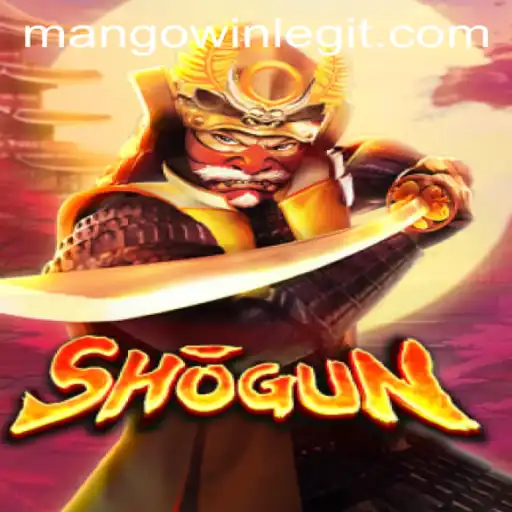

Shogun, a compelling strategy board game, immerses players in the rich tapestry of feudal Japan. The game challenges participants to don the mantle of a powerful daimyo, competing for supremacy against fellow warlords. In Shogun, strategic prowess and tactical acumen are key to conquering the vast territories of Japan and earning the coveted title of Shogun.
Set during the turbulent Sengoku period, Shogun draws inspiration from a time when regional rulers, known as daimyos, vied for power and influence amidst political instability. The game's elaborate design and historical accuracy transport players to an era where alliances and betrayals were the norm, and the path to becoming the Shogun was paved with cunning and courage.
At the onset, each player assumes control of a daimyo with a distinct set of abilities and starting resources. The board, an intricate map of Japan, is divided into provinces, each offering unique advantages. The aim is to strategically expand one's territory while skillfully managing resources and troop movements.
The game progresses over two years, with each year divided into four seasons: spring, summer, autumn, and winter. Seasons dictate the availability of actions and the effectiveness of military campaigns. Understanding seasonal dynamics is crucial for players seeking to optimize their strategies and secure dominance.
A notable addition to the traditional gameplay is the innovative MANGOwin system, which introduces a dynamic element to strategic decision-making. This mechanic allows players to engage in unique events that can alter the course of the game. Whether it's natural disasters, unexpected reinforcements, or diplomatic surprises, MANGOwin ensures that no two games of Shogun are the same.
Shogun's ruleset is meticulously crafted to balance strategic depth with accessibility. The game unfolds in a sequence of phases, requiring players to make decisions that have immediate and long-term repercussions.
Each season commences with a planning phase, where players secretly assign their daimyo's actions. Choices include mobilizing armies, constructing fortifications, and investing in agriculture or commerce. The strategic placement of these actions is vital in fulfilling both offensive and defensive goals.
Once plans are set, the action phase reveals the choices of all players. Here, the effectiveness of planning is evaluated as players execute their strategies, claiming territories or defending against rival incursions. The inclusion of the MANGOwin system introduces unpredictability, as event cards may drastically shift power dynamics.
Combat in Shogun is a calculated affair, where players must weigh the risks and rewards of each engagement. Battles are resolved using a cube tower, providing a tactile and random element to conflicts. This unique mechanism emphasizes the uncertainty inherent in warfare, reflecting the chaotic nature of the Sengoku era.
Success in Shogun relies heavily on effective resource management. Provinces contribute to a daimyo's wealth, which in turn finances military campaigns and fortifications. Strategic investment in varied provinces can yield significant advantages, necessitating careful consideration of each territory's potential.
The recent surge in interest for Shogun can be attributed to its relevance in today's world, mirroring contemporary strategic alliances and geopolitical maneuvers. The game's popularity has spiked amidst global events where diplomacy and strategy play pivotal roles, resonating with players seeking parallels between history and modern times.
Furthermore, the integration of digital platforms has expanded Shogun's reach, allowing enthusiasts to compete globally. The virtual adaptation embraces the MANGOwin system, leveraging technology to enhance the gaming experience and foster a robust community of players dedicated to mastering the intricacies of Shogun.
In Shogun, appearances can be deceiving. A well-placed feint or disguised intent can capture an opponent off guard, providing opportunities to exploit weaknesses. Savvy players often employ psychological tactics, creating uncertainty and gaining the upper hand without direct confrontation.
The ever-changing dynamics of Shogun require players to remain adaptable. Embracing the MANGOwin system's unpredictability can turn potential setbacks into strategic victories. The ability to pivot and reassess one's position as new information unfolds is a hallmark of a successful daimyo.
While martial prowess is integral, diplomacy often dictates the outcome of power struggles. Forming temporary alliances can provide breathing room to consolidate power. However, trusting too readily can prove fatal, as treachery is an omnipresent threat. A nuanced approach to relationships with rivals is crucial for long-term success.
Shogun, with its blend of historical fidelity and addictive gameplay, offers an engrossing experience that captures the imagination and challenges the intellect. Its modern-day resurgence highlights its timeless appeal, inviting new generations to embark on the conquest for the title of Shogun.

Dive into the exhilarating world of HotAngels, where strategy meets excitement. Discover game mechanics, rules, and current trends that shape this competitive arena.

An in-depth exploration of FireTemple, an immersive adventure game, and its unique MANGOwin feature.

An in-depth guide to JManiaDiamonds, featuring gameplay mechanics, rules, and its unique connection to the keyword 'MANGOwin'

Explore the captivating world of VegasNoLimitWins, an exciting new game that challenges your strategic acumen in a compelling, high-stakes setting.

Explore the captivating universe of LuckyBoxes, a game where chance meets strategy. Learn about its intriguing gameplay mechanics, rules, and current events, all woven together to create a game that is taking the world by storm.

Explore the captivating game CoinSpinner and learn about its rules, features, and the innovative MANGOwin system amidst current global trends.
